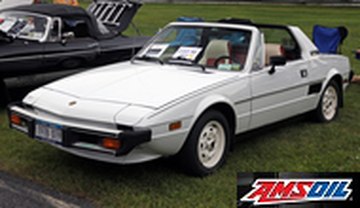
Maintaining Lubrication Integrity for the 1982 Fiat X1/9 1.5L
Proper engine care for a vehicle like the 1982 Fiat X1/9 1.5L involves more than just occasional fluid checks; it requires a disciplined approach to monitoring the mechanical health and lubrication needs of the engine. As vehicles age, the way they respond to maintenance can change, making consistent observation and proactive inspection essential for long-term operation.Monitoring Fluid Condition and Potential Seepage
One of the most effective ways to monitor the health of the 1.5L engine is through regular visual inspections of the engine bay and under the vehicle. Rather than waiting for a significant event, owners should look for subtle signs of fluid movement. Inspecting various gaskets and seals for any evidence of seepage or weeping can help identify issues before they escalate into more serious leaks. When performing these checks, it is useful to look at the cleanliness of the engine surfaces. A buildup of grime in specific areas may indicate a slow leak from a seal or gasket that has begun to lose its effectiveness due to age or heat cycles. Additionally, checking the area around the drain plug and any sealing surfaces can provide insight into whether the lubrication system is maintaining its integrity. If you notice any unexpected fluid accumulation, it warrants further investigation to determine the exact source.Observing Changes in Lubricant Behavior
The condition of the engine oil itself can serve as a diagnostic tool. While many owners focus on the quantity of oil, the quality and appearance are equally important. A sudden change in how the lubricant behaves or looks can be an early indicator of underlying issues. For instance, if you notice unusual mechanical noises during operation, it may be worth investigating whether the lubrication is performing as expected. Similarly, changes in the color or consistency of the oil should not be ignored. While some level of darkening is normal over a service interval, significant or rapid changes can indicate that the lubricant is being subjected to extreme conditions. If you observe any unusual exhaust smoke, this may indicate that oil is entering the combustion process, which could be associated with various seal or ring conditions. Because these symptoms can have multiple causes, they should be treated as prompts for a professional inspection rather than definitive proof of a specific component failure.Prioritizing Maintenance Through Condition-Based Assessment
For an owner of a 1982 Fiat X1/9 1.5L, managing maintenance tasks effectively often means moving away from rigid schedules and toward a condition-based approach. This is particularly true as the vehicle ages. Instead of replacing parts based solely on their age, it is often more practical to prioritize tasks based on the actual current state of the engine and its components. Establishing a baseline is a critical first step if you do not have access to a complete service history. By performing a thorough inspection of all fluids, belts (if equipped), and hoses, you can create a "snapshot" of the vehicle's current health. Once this baseline is established, you can more easily identify changes over time. If maintenance records are available, review them to see if certain components have been addressed recently or if there are patterns of repair that suggest specific areas require closer monitoring. Addressing active leaks or addressing overdue service items identified during your inspections should always take precedence over general preventive measures.Managing Aging Engine Components
As the 1.5L engine undergoes years of thermal cycles, various materials and components will naturally change. When conducting routine service, it is wise to inspect age-sensitive items that may not show immediate signs of failure but are subject to gradual deterioration. If equipped, inspecting accessible drive belts for signs of cracking, glazing, or fraying is a prudent step during any oil service. Similarly, checking the condition of hoses and electrical connections can prevent unexpected interruptions in operation. It is also beneficial to monitor the crankcase ventilation system, if present, to ensure it remains clear and functional. By focusing on these components during your regular maintenance routine, you can distinguish between necessary repairs and unnecessary parts replacement, ensuring that resources are directed toward the areas that truly impact the vehicle's longevity.The Role of Consistent Lubrication Management
Maintaining a consistent lubrication regimen is fundamental to engine health. The lubricant performs several vital roles, including reducing friction between moving parts and assisting in heat management within the engine. Over time, lubricants can lose their ability to resist oxidation or manage the contaminants that naturally enter the system during operation. Regularly changing the oil according to the appropriate maintenance schedule helps ensure that these protective properties remain intact. This practice also helps prevent the buildup of deposits that can occur when oil is used beyond its effective lifespan. By staying diligent with lubrication intervals, you help maintain a cleaner internal environment, which is essential for the continued smooth operation of the 1.5L engine.Practical Advice for Buying Engine Oil for the 1982 Fiat X1/9 1.5L
When it is time to replenish your engine's lubricant, the most important step is to ensure the product matches the specific requirements of your application. Rather than relying on general automotive knowledge or assumptions based on the vehicle's age, you should always refer to the application-specific information provided on this page. Match the engine oil to the vehicle-specific viscosity and application information shown above. When selecting a product, consider the following:- Verify Labeling: Always check the product packaging to ensure it meets the necessary standards and specifications listed in your documentation.
- Consider Formulations: Depending on your specific needs, you may choose between conventional, synthetic blend, or full synthetic oils. Some high-mileage oil formulations also contain additives intended for use in aging engines, including seal-conditioning additives.
- Check Quality Standards: Ensure the oil meets the appropriate API certifications to guarantee it provides the necessary level of protection and deposit control.